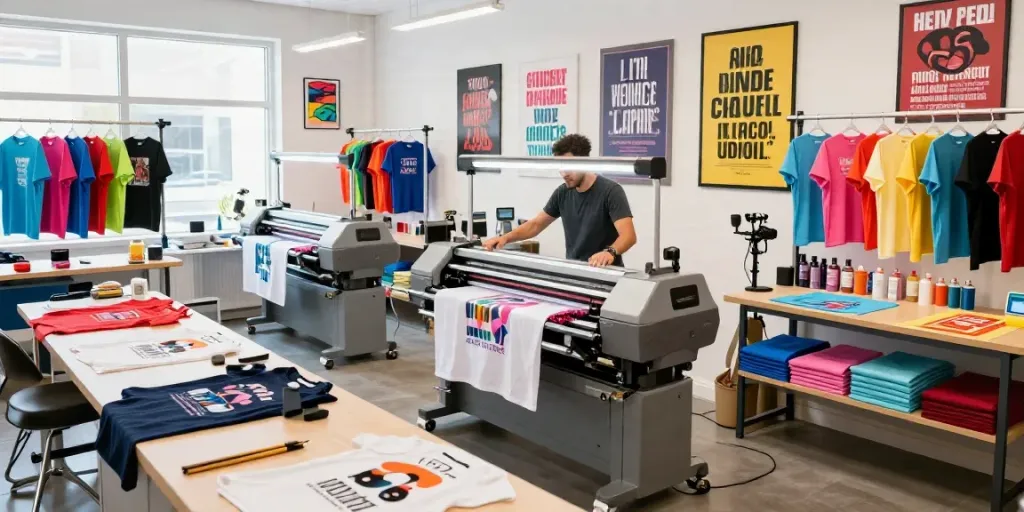
Understanding the DTF Printer: What Sets It Apart?
The demand for innovative printing solutions has surged in recent years, leading to the rise of the dtf printer. Direct to Film (DTF) printing stands out for its ability to produce vibrant and detailed prints on a wide range of fabrics, making it an appealing choice for many businesses, from apparel manufacturers to promotional product providers. This article delves into the workings of DTF printers, their key features, and the common misconceptions that surround this versatile technology.
How DTF Printing Works
DTF printing operates by printing designs onto a special transfer film using a modified inkjet printer. The printed film is then covered with a hot-melt adhesive powder, which is melted during the heat transfer process. This technique allows for the transfer of intricately detailed images and colors onto various substrates, such as cotton, polyester, and blends. Unlike direct-to-garment (DTG) printing which requires the fabric to be pre-treated, DTF printing eliminates that step, making it more convenient for many users.
Key Features of DTF Printers
- High Color Vibrancy: DTF printers utilize high-quality inks that provide bright and vivid colors, ensuring that the final product stands out.
- Material Versatility: DTF printing can be used on both light and dark materials, as well as rigid surfaces like wood and metal, expanding its application range.
- Durability: Transfers made with DTF technology offer excellent wash and wear resistance, making them suitable for fashion and promotional items.
- Ease of Use: DTF printers are user-friendly, often equipped with intuitive software that simplifies the design and printing process.
Common Misconceptions About DTF Printing
Despite its advantages, some misconceptions persist about DTF printing. One common belief is that DTF is inferior to traditional DTG printing in terms of quality. However, many users report comparable, if not superior, results with DTF. Additionally, some assume DTF is expensive, but in reality, the cost per print can be significantly lower when considering the equipment and materials required for DTG printing.
The Versatility of DTF Printers in Various Applications
One of the most significant advantages of DTF printers is their versatility. They can effectively meet a myriad of printing needs across various industries, making them a favorite among small business owners and large manufacturers alike.
DTF Printing for Apparel
DTF printing has revolutionized the apparel industry, allowing for high-quality custom prints on t-shirts, hoodies, and more. Its ability to print intricate designs with multiple colors makes it perfect for custom merchandise, fashion lines, and promotional clothing. Moreover, the process is quick, enabling businesses to respond rapidly to market trends.
Creative Uses in Home Decor
Beyond clothing, DTF printing is making its mark in home decor. From custom pillowcases to wall art and decorative fabric, the application possibilities are endless. The strong adhesion properties mean that printed designs can withstand wear and tear, making them ideal for items that see everyday use.
DTF Printing for Promotional Products
Businesses looking to create promotional products can leverage DTF printing for custom tote bags, caps, and other merchandise. The capability to produce vibrant colors and complex designs at a lower cost makes DTF an attractive option for creating brand-related items that catch the eye of potential customers.
Benefits of DTF Printing Over DTG Printing
While both DTF and DTG have their merits, DTF printing holds distinct advantages that make it a preferred choice for many businesses.
Cost Efficiency Over Time
One of the primary benefits of DTF printing is its cost efficiency. Although the initial investment may be similar, DTF printing often results in lower cost-per-print due to fewer pre-treatment requirements and less ink wastage. As businesses scale, these savings can accumulate significantly.
Quality and Detail in Printing
DTF printers are known for producing detailed and high-resolution images. They can reproduce designs with rich colors and gradients that resemble digital artwork, providing an edge in competitive markets that demand aesthetic excellence.
Material Versatility: What Fabrics Can Be Printed?
DTF printers can handle a wider range of materials compared to DTG printers. While DTG is primarily designed for cotton, DTF printing can effectively print on cotton, polyester, blends, and even synthetic fabrics. This flexibility allows businesses to cater to a broader audience and diverse textile needs.
How to Select the Right DTF Printer for Your Business
Selecting the right DTF printer involves assessing your business's specific needs and budgets. Understanding the various features and specifications available is crucial for making an informed decision.
Assessing Your Business Needs and Budget
Begin by evaluating your printing volume and the types of materials you intend to use. A higher volume may necessitate a more robust printer, while smaller operations might benefit from entry-level models. Budget considerations should also include maintenance costs and potential material expenses.
Understanding Printer Specifications and Features
Look for printers that offer high resolution and color fidelity. Features such as dual ink channels, adjustable heat settings, and compatibility with various print sizes can influence your choice based on the intended applications.
Evaluating Seller Reputation and Support
When investing in a printer, research the warranty and support services offered by the manufacturer. Reliable customer service can be invaluable, especially when you encounter technical difficulties.
Future Trends in DTF Printing and Its Market Growth
The DTF printing market is anticipated to grow significantly in the coming years, driven by advancements in technology and increasing demand for custom apparel.
Emerging Technologies and Innovations
Emerging technologies such as enhanced ink formulations and automated production processes promise to improve the efficiency and quality of DTF printing. Innovations like environmentally friendly inks can also attract eco-conscious consumers.
Market Demand Projections for 2026
Experts predict that the demand for DTF printing will rise as more businesses recognize its benefits. The market for custom apparel and promotional products is expected to expand, creating significant opportunities for DTF printers.
Strategies for Staying Competitive in the Industry
To remain competitive, businesses should invest in continuing education about emerging trends and technologies. Keeping up with the latest design software and marketing techniques can provide a substantial advantage.
What is the best DTF printer for small businesses?
For small businesses, affordability combined with functionality is key. Entry-level DTF printers that still offer high-resolution output and ease of use can help new entrepreneurs establish their brand without overwhelming upfront costs.
Is DTF printing better than other methods?
DTF printing excels in several areas, such as material versatility and ease of application, making it a competitive option against other printing methods like DTG and sublimation. Depending on your specific needs, DTF printing could very well be the best choice for your business.
What materials can I use with a DTF printer?
DTF printers can work with a variety of materials, including but not limited to cotton, polyester, nylon, and blends. This versatility makes them suitable for a wide range of products, from clothing to promotional items.
How do I maintain a DTF printer?
Regular maintenance is crucial for the longevity of your DTF printer. This includes routine cleaning of the print heads, calibration of the machine, and proper storage of inks and media to avoid clogs and damage.
Where can I find high-quality DTF printing supplies?
High-quality supplies for DTF printing, including transfer films, inks, and adhesives, can be found through specialized suppliers. Establishing a reliable point of purchase will ensure you have access to the materials needed for consistent print quality.