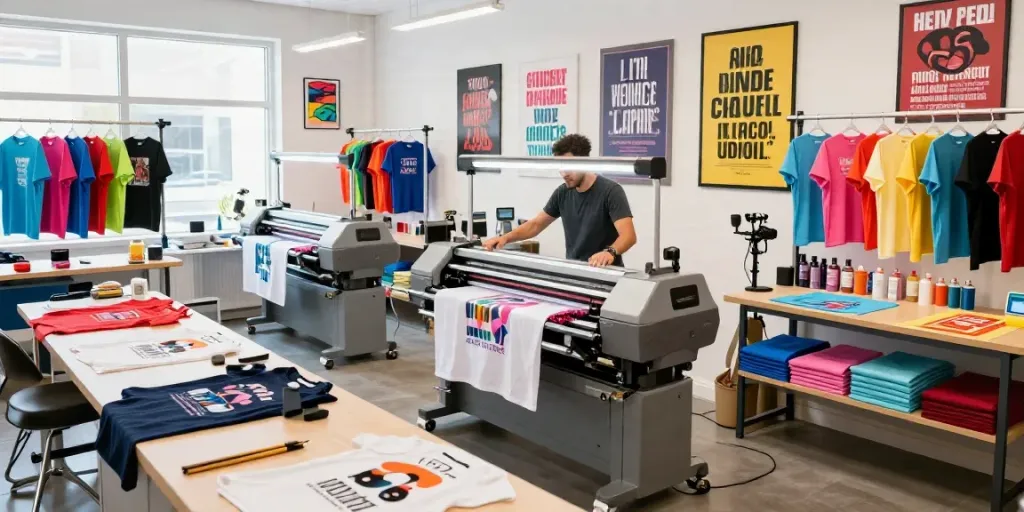
Understanding Different Types of T-Shirt Printers
In the competitive world of custom apparel, having the right equipment can make all the difference. An impresora de camisetas is essential for any business looking to produce high-quality, vibrant designs on T-shirts. With a variety of printing technologies available, it's crucial to understand their differences and advantages to choose the best option for your specific needs.
What is an Impresora de Camisetas?
An impresora de camisetas, or T-shirt printer, is a specialized machine designed to print designs directly onto fabric. These printers come in different types, each utilizing unique technologies such as Direct-to-Garment (DTG), Direct-to-Film (DTF), and dye sublimation. Understanding these technologies is the first step in selecting the right printer for your business.
DTG vs. DTF: Key Differences
DTG printers apply ink directly onto the garment, allowing for intricate designs and a wide color spectrum. However, they often require pre-treatment of fabric and can be slower for larger orders. On the other hand, DTF printers use a transfer process, which allows for more vibrant colors and greater flexibility in transferring designs onto various fabric types. This means a DTF machine can handle a broader range of apparel types, including those with mixed fibers.
Choosing the Right Technology for Your Business
When selecting a printing technology, consider factors like investment costs, printing quality, and operational complexity. For small businesses focusing on short runs and detailed designs, DTG printers might be ideal. Conversely, if your operation focuses on bulk production of textile items, DTF printers could be the more efficient choice.
Setting Up Your T-Shirt Printing Business
Establishing a T-shirt printing business involves not only selecting the right equipment but also setting up a conducive work environment. A well-planned setup can enhance productivity and streamline your workflow.
Essential Equipment and Supplies Needed
In addition to your T-shirt printer, you will need several essential supplies such as inks, transfer papers, and blank garments. Setting up a reliable inventory system to monitor these supplies can prevent downtime due to lack of materials.
Space Requirements and Workflow Optimization
Your workspace should enhance efficiency. Allocate specific areas for printing, drying, and packaging to minimize movement and maximize productivity. An organized workspace reduces the chance of errors and speeds up your production process.
Budgeting for Your First Impresora de Camisetas
When budgeting for your business, consider the initial investment cost for the printer and other equipment, as well as ongoing operational costs. Compare different brands and models to find one that fits both your needs and your budget without sacrificing quality or performance.
Maximizing Print Quality and Efficiency
Once your business is set up, the focus turns to ensuring high-quality prints and efficient operations. Elevating these aspects can significantly boost customer satisfaction and repeat business.
Best Practices for Color Accuracy
To achieve consistent color accuracy, calibrate your printer regularly and use high-quality inks. Conduct test prints on similar fabric types to ensure the final product meets your client’s expectations. Use software tools to adjust color profiles to your specific printer’s capabilities.
Maintaining Your Impresora de Camisetas
Regular maintenance is key to prolonging the lifespan of your printer. Clean the printhead and nozzles regularly, and check for any wear and tear. Keeping your equipment in good condition can help avoid costly repairs and production delays.
Tips for Faster Turnaround Times
Streamlining your processes can enhance turnaround times. This includes having a well-trained team, using efficient printing techniques, and maintaining an organized workflow. Setting realistic deadlines and communicating clearly with clients can also manage expectations effectively.
Navigating Customer Needs and Market Trends
Understanding the market landscape and customer preferences is vital for your business's success. Staying ahead of trends can position your company as a leader in the custom T-shirt printing space.
Understanding Your Target Audience
Invest time in researching your target audience to tailor your offerings effectively. Knowing their preferences, design tastes, and purchasing behaviors can guide your product development and marketing strategies.
Adapting to Customization Trends in Apparel
Customization continues to gain momentum. Offering personalized options can significantly enhance customer engagement and loyalty. Consider implementing technologies that allow customers to design their shirts directly on your website.
Handling Bulk Orders Effectively
For bulk orders, establish clear processes that allow for quick production without compromising quality. This may involve prioritizing orders based on deadlines and utilizing automated solutions to streamline printing tasks.
Future-Proofing Your Printing Business
As the apparel market evolves, so should your business. Staying updated with the latest trends in printing technology and consumer demands will help you thrive in a competitive landscape.
Emerging Trends in Textile Printing Technologies
Keep an eye on innovations such as eco-friendly inks and automated printing solutions. These trends not only appeal to environmentally-conscious consumers but also cater to the growing demand for efficiency in production.
Leveraging Automation for Growth
Implementing automation in certain processes—like order management and inventory tracking—can significantly reduce operational burdens. This allows you to focus on growth and customer satisfaction rather than getting bogged down in routine tasks.
Expanding Product Lines Beyond T-Shirts
Consider diversifying your product offerings to include items such as hoodies, tote bags, and other apparel. This can attract a broader customer base and increase your revenue streams.
What type of printer is best for custom t-shirts?
The best printer varies based on your business model. If versatility and vibrant colors are essential, DTF printers might suit you best. For intricate designs and detailed prints, DTG printers are the preferred choice.
How much does a t-shirt printing machine cost?
T-shirt printing machines can range widely in price—from a few hundred to several thousand dollars. Factors like technology, brand, and capabilities will influence the cost. It's essential to balance your budget with your business requirements.
Can I print my own t-shirt designs at home?
Yes, many small-scale entrepreneurs begin by printing designs at home using compact printers. However, it’s advisable to invest in quality equipment as your business grows to enhance productivity and output quality.
What other printing methods can I use for apparel?
In addition to DTG and DTF, methods like heat transfer printing, vinyl cutting, and screen printing are also viable options for apparel. Each method has its unique advantages and considerations based on the final product desired.
How do I scale my t-shirt printing business?
Scaling your business involves investing in more advanced equipment, expanding your product line, and leveraging online marketing. Create a business plan that outlines your growth strategies and targets clearly.